Table of Contents
ToggleFastrack Watches Sale In Meerut
Introduction
Watches are more than just instruments that tell time—they are symbols of sophistication, personality, and lifestyle. From luxury Swiss brands to affordable digital watches, these accessories have evolved over centuries to suit fashion trends, professional needs, and personal preferences. Today, watches are not only about timekeeping but also about style, technology, and identity
1. A Brief History of Watches
1.1 Early Timekeeping
The concept of measuring time started with sundials and water clocks thousands of years ago. The first portable mechanical clocks appeared in the 15th century, laying the foundation for watches.
1.2 Birth of Wristwatches
Originally, pocket watches were common in the 17th and 18th centuries. During World War I, wristwatches became popular for soldiers who needed quick access to time during combat.
1.3 The Modern Watch Industry
Today, watches come in countless styles—from luxury mechanical masterpieces to smartwatches that track health and fitness.
2. Types of Watches
2.1 Analog Watches
Traditional watches with hour and minute hands. They often feature elegant dials and are preferred for formal occasions.
2.2 Digital Watches
Digital watches display time using numbers. They are practical, durable, and popular among students, athletes, and professionals.
2.3 Smartwatches
The latest innovation in watches, smartwatches combine technology with style. They track steps, monitor heart rates, receive calls, and sync with smartphones.
2.4 Luxury Watches
Brands like Rolex, Omega, Patek Philippe, and Audemars Piguet represent luxury and craftsmanship. These watches are seen as status symbols.
2.5 Sports Watches
Specially designed for durability, water resistance, and performance. Divers’ watches, running watches, and rugged outdoor watches fall in this category.
2.6 Fashion Watches
Trendy watches designed by fashion houses like Michael Kors, Fossil, and Guess, focusing on aesthetics and affordability.
3. Materials Used in Watches
3.1 Stainless Steel
Most common for watch cases and straps due to durability and shine.
3.2 Leather
Classic and elegant, leather straps give watches a timeless appeal.
3.3 Titanium
Lightweight and stronger than steel, titanium is often used in luxury and sports watches.
3.4 Gold and Precious Metals
Luxury watches often feature gold, platinum, and diamonds for exclusivity.
3.5 Rubber and Silicone
Used in sports and casual watches for flexibility and comfort.
4. Watches in Fashion
4.1 Men’s Watches
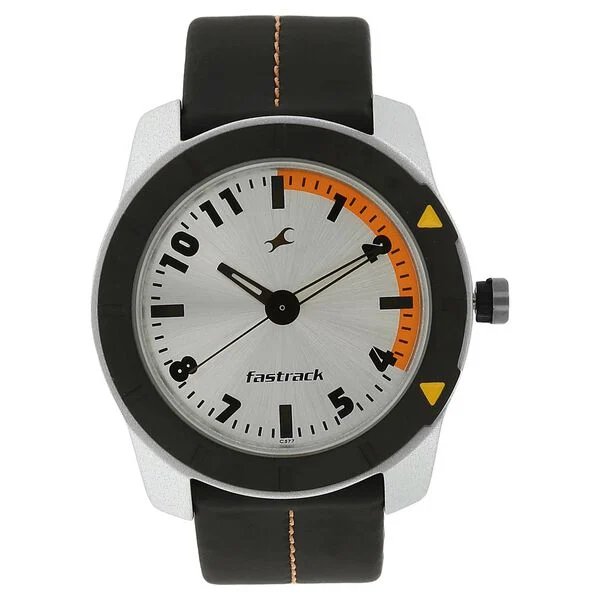
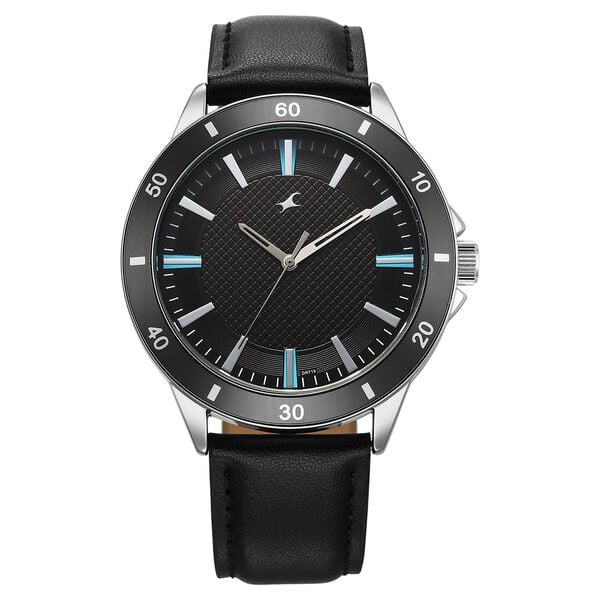
For men, watches symbolize power, professionalism, and class. A luxury watch paired with a suit reflects success and confidence.
4.2 Women’s Watches
Women’s watches range from delicate bracelet-style timepieces to bold smartwatches. They are often designed as fashion accessories.
4.3 Celebrity Influence
Celebrities and athletes often promote luxury watch brands. For example, Cristiano Ronaldo with TAG Heuer and Roger Federer with Rolex.
5. Functional Features in Watches
5.1 Chronograph
A stopwatch function built into the watch, popular among sports and racing enthusiasts.
5.2 Water Resistance
Diver’s watches can resist water pressure, making them essential for underwater adventures.
5.3 Dual Time Zone
Useful for travelers who need to track two different time zones.
5.4 Smart Features
Smartwatches offer GPS, fitness tracking, mobile payments, and even call receiving.
6. Choosing the Right Watch
6.1 Based on Occasion
Formal Events: Analog or luxury watches with leather straps.
Casual Wear: Digital or fashion watches.
Sports/Outdoor: Rugged sports watches or smartwatches.
6.2 Based on Budget
Affordable: Casio, Timex, Fastrack.
Mid-range: Seiko, Citizen, Fossil.
Luxury: Rolex, Omega, Cartier.
6.3 Based on Style
Minimalist watches for a sleek look, bold chronographs for an adventurous personality, and smartwatches for tech-savvy individuals.
7. Care and Maintenance of Watches
7.1 Cleaning
Use a microfiber cloth for dials and cases.
Leather straps should be cleaned with a damp cloth and conditioned.
7.2 Storage
Keep watches in a dry box to avoid moisture damage.
Store luxury watches in watch winders to keep them running smoothly.
7.3 Servicing
Mechanical and luxury watches require servicing every 3–5 years for precision and durability.
8. The Business of Watches
The global watch industry is worth billions, combining traditional craftsmanship with modern technology.
Swiss Watches dominate the luxury segment.
Smartwatches are growing rapidly with Apple, Samsung, and Garmin leading the market.
Fashion Brands cater to young audiences who prefer stylish yet affordable timepieces.
9. Future of Watches
The future of watches lies in smart technology and sustainability. Eco-friendly materials, solar-powered watches, and AI-integrated smartwatches will revolutionize the industry while preserving the charm of traditional craftsmanship.